Perspective & Expertise
Analyses and guides on debt recovery and risk management.
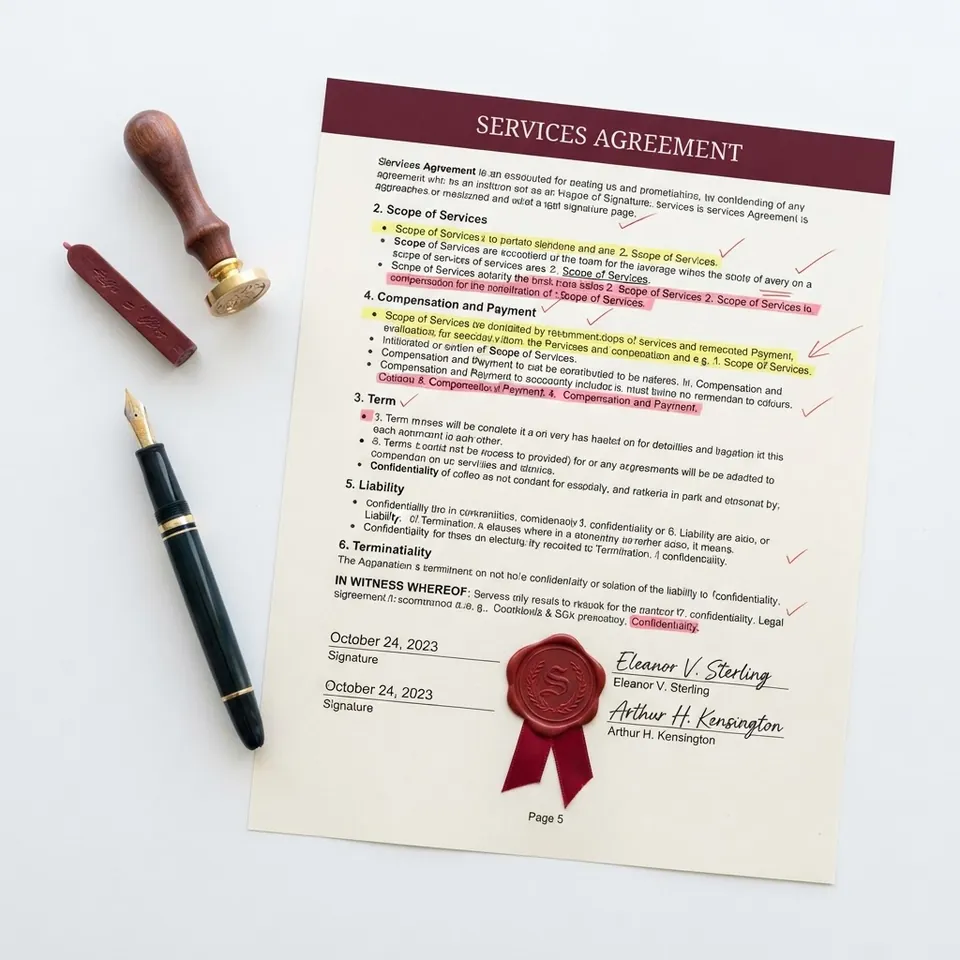
How contract structure helps prevent unpaid commercial debts
How to build a contract that reduces non-payment risk: the partner, due dates, evidence, internal discipline. The tactical clause list stays in the 10-clauses article.

How to Talk to a Debtor on the Phone: Techniques That Actually Work (Without Harassment)
The phone is your most powerful weapon — or your worst. The difference? How you talk. Here are the techniques we use, legally and effectively.

The Bailiff Found Nothing to Seize? Here's What to Do When the Debtor "Has Nothing in Their Name"
You won in court, started enforcement, and... the debtor has nothing. Or so they say. But sometimes things aren't what they seem. Here's how to dig deeper.

Loans Between Friends: Why It Costs You the Relationship, Not Just the Money
"Lend me 5,000 MDL until payday?" Sounds harmless. But statistically, half of loans between friends are never repaid. Here's how to protect both your money and your friendship.
How to Write a receipt Correctly: Exact Steps to Be Legally Protected
A poorly written receipt is worth nothing in court. Here's exactly what it must contain, in what order, and the mistakes that nullify your proof of payment.

Guaranty (Suretyship): What It Means, Whether to Sign as a Guarantor, and Risks No One Explains
Someone asked you to be a guarantor? Sounds harmless, right? Wrong. It's one of the most dangerous commitments you can sign. Here's why.

Personal Data: What It Means, Who Can Process It, and What Rights You Have
Your name, phone, IDNP, address — all personal data. Who's allowed to request them? Who can use them? And what can you do when they're abused?
Proforma Invoice vs Fiscal Invoice: What's the Difference and Which Truly Protects You
Many entrepreneurs confuse them. Others use them wrong. Here's why a proforma invoice is NOT an invoice — and what's at risk for those who think it is.

10 contract clauses that help when a client does not pay
Tactical list: exact due date, late-payment interest, retention of title, notice email, recovery costs, set-off, acceleration, venue, acceptance note. They do not guarantee payment.

Recovering Debts from Individuals: What You Can and Can't Do Legally in Moldova
Unlike companies, individuals have special protections. Here's what you're allowed to do, what's forbidden, and how to approach recovery correctly without breaking the law.

The Most Common Debtor Excuses and How to Counter Them (Without Becoming Aggressive)
"The money is on its way." "The accountant is on leave." "We'll pay next month." We've heard them all. Here's how to respond to each — firmly, legally, without breaking anything.

7 Signs a Client Will Pay Late (or Never)
It's not about luck. There are patterns. If you spot three of these signs in the first 30 days — you're at serious risk of never seeing your money.

How to Recover Money from a Company in Liquidation in Moldova
You find out your debtor is in liquidation and panic sets in. But not all is lost. There's a procedure — and a time window you MUST NOT miss.
The client is not paying the invoice — what do you do?
A practical B2B guide: review the file, send a first reminder, escalate to a formal demand, negotiate a payment plan where it makes sense, and decide when amicable recovery is no longer efficient.

Debts Over 3 Years Old: Is It Worth Recovering Them? The Uncomfortable Truth
Everyone says nothing more can be done. But sometimes, you can. Here is when an old debt still has chances, how to verify it, and when it is time to move on.

The limitation period for debts in Moldova
What limitation means, when the usual 3-year period starts, what interrupts or suspends it, what happens after expiry, and why an old file must be checked — not assumed time-barred.